
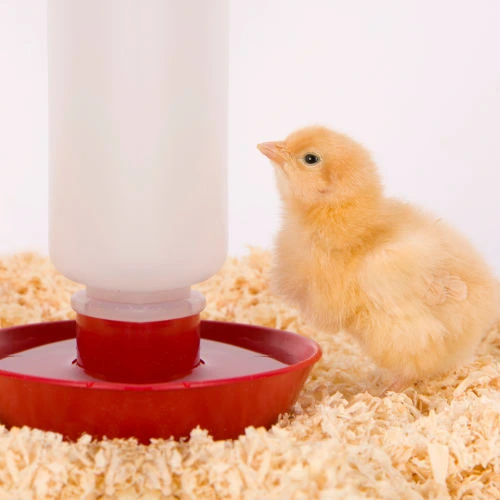
The Hidden Danger Lurking Under Poultry Drinkers
Managing a commercial poultry farm requires immense attention to detail, and one of the most critical challenges is controlling the environment around the water supply. No matter how advanced your watering system is, spills and drips are an inevitable part of raising birds. Birds will splash water while drinking, equipment can leak, and sudden movements can knock water onto the floor.
While a few drops of water might seem harmless, they represent a significant threat to your entire flock. The area directly beneath the drinkers is the most vulnerable zone in any poultry house. When water mixes with droppings and organic matter on the floor, it creates the perfect recipe for disaster. This damp environment is not just an inconvenience for farm workers; it is a breeding ground for severe health issues that can devastate your bottom line.
For farm owners and managers, understanding the chain reaction caused by wet bedding is the first step toward effective prevention. A damp spot under a drinker does not stay localized. Birds track this moisture across the barn, spreading the dampness and compromising the hygiene of the entire living space. Recognizing this hidden danger is crucial for maintaining a profitable and healthy operation.
The Severe Consequences of Wet Environments
Rising Ammonia Levels and Respiratory Distress
When moisture mixes with poultry droppings, it activates enzymes that rapidly convert uric acid into ammonia gas. In a dry environment, this chemical reaction happens very slowly. However, the introduction of excess water from leaky drinkers acts as a catalyst, causing ammonia levels to spike aggressively.
High ammonia concentration is highly toxic. It damages the delicate respiratory tracts of the birds, making them highly susceptible to respiratory infections. Furthermore, high ammonia levels irritate the eyes of the flock, leading to temporary or permanent blindness. Birds suffering from respiratory distress eat less, grow slower, and have a much higher mortality rate. Controlling moisture is directly linked to controlling ammonia.

Bacterial Proliferation and Disease Outbreaks
Pathogens thrive in warm and damp conditions. When the area beneath the drinkers remains consistently wet, it creates an ideal incubator for dangerous bacteria. Without proper moisture management, farm owners face a massive struggle to reduce bacterial growth like Salmonella and E. coli within the flock.
Once these bacteria multiply in the damp litter, birds easily ingest them while foraging or pecking at the ground. This leads to widespread intestinal issues, severe diarrhea, and a drastic drop in nutrient absorption. The overall immunity of the flock decreases, forcing farm managers to spend heavily on antibiotics and veterinary interventions.
Physical Injuries and Product Downgrades
Perhaps the most direct physical consequence of wet bedding is the damage it causes to the birds themselves. Constant contact with damp, highly acidic litter burns the skin on the feet and chest of the birds. This agonizing condition means farm owners must urgently find ways to prevent footpad dermatitis and stop the development of painful breast blisters.
Birds suffering from foot pain will refuse to walk to the feeders, resulting in uneven growth across the flock. Furthermore, in the highly competitive export market, chicken paws and intact breast meat are premium products. Lesions and chemical burns from wet bedding lead to massive product downgrades at the processing plant, directly destroying your profit margins.

Why Traditional Bedding Materials Fail at Moisture Control
Many farm managers attempt to solve the moisture crisis by using cheap, readily available agricultural byproducts. However, understanding the physical limitations of these materials explains why they ultimately fail in commercial settings.
When analyzing pine wood shavings versus straw, the structural flaws of straw become obvious. Straw has a hard, waxy outer layer that naturally repels water. Instead of absorbing drinker spills, straw allows the water to pool at the bottom of the floor. Over time, the straw mats down into a solid, impenetrable layer that traps dangerous moisture underneath while growing harmful mold on the surface.
Similarly, materials like rice hulls or sand lack the cellular capacity to lock away moisture. Rice hulls can break down into fine dust when dry, causing respiratory issues, and they turn into a slick sludge when wet. Sand is extremely heavy, making spot cleaning near drinkers a backbreaking task for farm workers, and it offers zero insulation during colder months. These conventional materials simply do not possess the biological structure required for rapid liquid absorption.
The Science of Absorption in Pine Wood
To truly conquer the dampness under drinkers, we must look at the natural engineering of wood fibers. According to agricultural research on poultry litter management, softwood species possess a highly porous cellular structure designed by nature to transport water. Pine wood, in particular, is composed of millions of microscopic capillary tubes.
Pine wood’s porous structure and natural capillary action allow properly processed and dried shavings to absorb moisture into their internal fibers. This helps reduce surface moisture and maintain drier poultry litter conditions, supporting a cleaner and more comfortable environment for chickens (Shen et al., 2020; Shepherd et al., 2017).

How Highwood Pine Wood Shavings Solve the Wet Bedding Crisis
Knowing that pine is scientifically superior is only half the battle. The manufacturing process dictates how well the final product will perform in a real farming environment. Highwood has engineered a premium product specifically designed to combat the exact problems farm managers face daily.
The Power of Below 12% Moisture Content
The secret to perfect absorption lies in the drying process. Highwood utilizes advanced kiln-drying technology to bring the moisture level of our product below 12% moisture. This specific metric is critical for maximum performance.
If wood is over-dried below this threshold, the fibers become brittle and shatter into dangerous dust particles that harm the respiratory systems of young chicks. If the moisture is left too high, the cellular tubes are already full of water and cannot absorb spills from the drinkers. By stabilizing the product below 12% moisture, Highwood ensures the fibers are perfectly thirsty, ready to soak up massive amounts of excess water instantly while remaining completely dust-free.
Optimal Size Ranging from 2-15mm for Perfect Structure
A single size of wood flake cannot handle the complex dynamics of a poultry house floor. Highwood meticulously processes our product to achieve range size distribution of 2-15mm. This carefully calibrated mixture functions as a multi-layered defense system.
Within this mixture, the tiny 2mm particles naturally sift to the bottom floor layer, acting as a rapid-response sponge to instantly trap any water that drips from the drinkers. The medium 5mm pieces create an interlocking structural network that prevents the bedding from shifting and exposing the bare floor. Finally, the larger 15mm flakes remain near the top, creating a soft, fluffy surface that provides excellent insulation and comfort. This precise combination ensures you are using the safest flake size for maximum absorption without sacrificing structural integrity.

The Advantage of 100% Pure Pine Wood
Highwood guarantees that our product consists of 100% pine wood shavings. We strictly prohibit the blending of cheap mixed hardwoods, bark, or toxic construction waste. Pure pine naturally contains beneficial compounds like rosin and terpenes, which act as mild natural disinfectants, helping to suppress bacterial growth. The purity of our product ensures a safe, non-toxic environment, making it the ultimate choice for delicate chick bedding where safety is paramount.
Strategic Benefits of a Bright Yellow Color
Beyond physical performance, the visual characteristics of Highwood products serve as a vital farm management tool. Our pure pine material boasts a natural, bright yellow color. In a busy commercial farm, efficiency is everything.
When the bright yellow shavings absorb water from a leaking drinker, they immediately turn a dark, contrasting brown color. This stark visual contrast allows farm workers to walk down the aisles and instantly identify damp zones from a distance. Instead of replacing the entire floor, staff can perform highly targeted spot cleaning, removing only the dark wet patches. This visual indicator drastically reduces manual labor time and cuts down on bedding waste.
Practical Steps to Maintain Dry Zones Around Drinkers
While utilizing premium Highwood products provides the best foundation, pairing this high-quality material with strong farm management practices will yield the ultimate results.
Manage Drinker Height and Water Pressure
The physical setup of your watering lines plays a major role in moisture control. As your flock grows, the drinker lines must be raised accordingly. If the nipples are too low, birds will bump into them with their chests, causing unnecessary spills. Additionally, monitor the water pressure constantly. Pressure that is too high will cause water to spray outwards when pecked, soaking the surrounding area. Adjusting these parameters minimizes the initial water load the bedding has to absorb.
Synergize Ventilation with Bedding Absorption
Highwood products are designed to absorb moisture rapidly, but they also need to release that moisture into the air to dry out and reset their absorbing capacity. This is where your ventilation system becomes crucial. Ensure that exhaust fans and air inlets are working together to pull humid air out of the barn and push fresh, dry air across the surface of the floor. Proper airflow sweeping across the top of the shavings will evaporate the locked-in moisture, keeping the environment pristine.
Implement Routine Spot Cleaning
Take full advantage of the bright yellow color of Highwood products. Train your farm staff to perform daily walk-throughs specifically looking for dark spots under the water lines. Whenever a saturated patch is identified, it should be scooped out immediately and replaced with a fresh layer of dry material. Turning the bedding gently with a rake will also help incorporate dry flakes from surrounding areas, promoting faster drying and preventing hard crusts from forming.
Long-Term Economic Benefits for Poultry Operations
Investing in superior moisture control is not just about keeping the floor clean; it is a strategic financial decision that impacts every aspect of a commercial poultry operation.
By eliminating damp zones, you directly reduce the concentration of ammonia and stop the spread of dangerous bacteria. This leads to a profound decrease in flock mortality rates and significantly lowers the budget required for expensive veterinary medications. Healthy birds raised on dry, comfortable floors exhibit better feed conversion ratios, reaching target market weights much faster.
Furthermore, because Highwood products possess such an immense absorbing capacity, they last significantly longer in the barn compared to cheap alternatives. Farm managers will spend less money on constant bedding replacement and less money on the manual labor required to clean out the barns. Ultimately, prioritizing superior moisture management with premium materials guarantees higher quality meat, better animal welfare, and maximized profits for your enterprise.
Partner with HIGHWOOD for Reliable Global Wood Supply
HIGHWOOD specializes in 100% natural wood products for the cattle, poultry, equine, and soil improvement industries.. We are committed to consistent quality, competitive export pricing, and reliable long-term supply for global business partners.
Contact us now for the best offer!
- Address: 121/35 Le Thi Rieng, Ben Thanh Ward, Ho Chi Minh City, Vietnam
- Tel/WhatsApp: +84 967 684 884
- Email: info@highwood.com.vn
